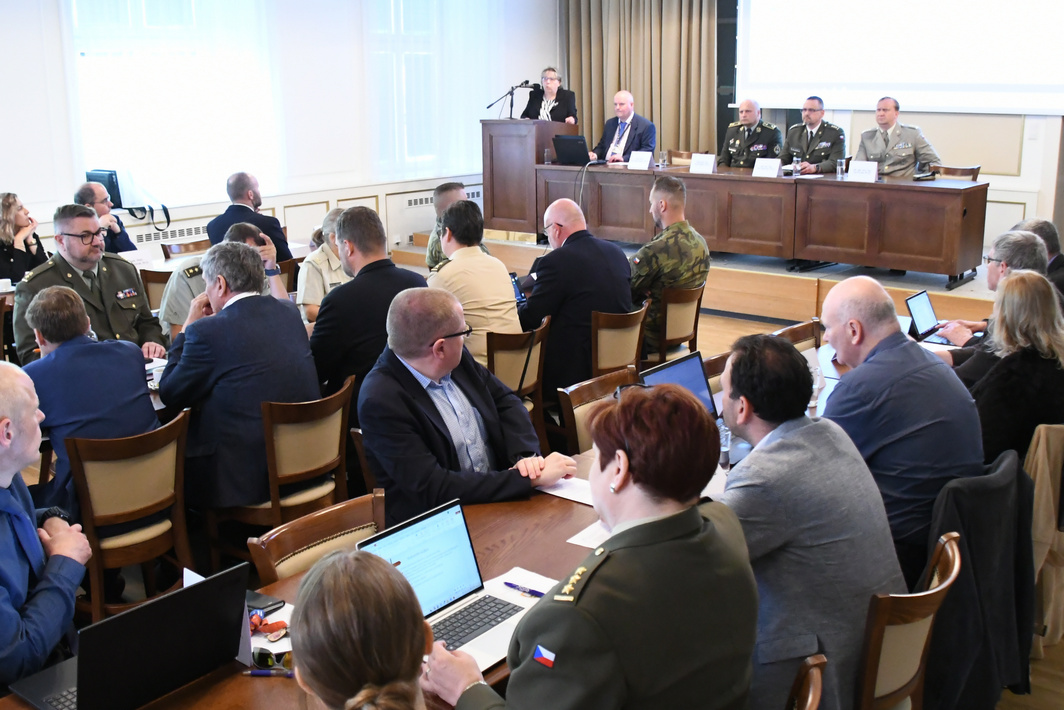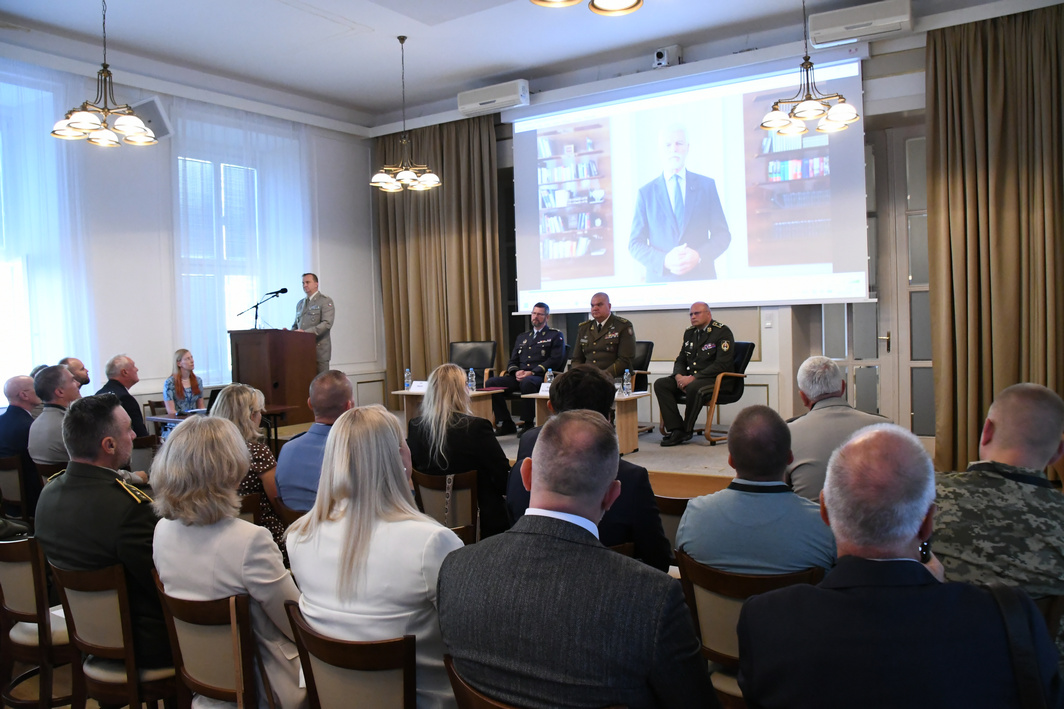
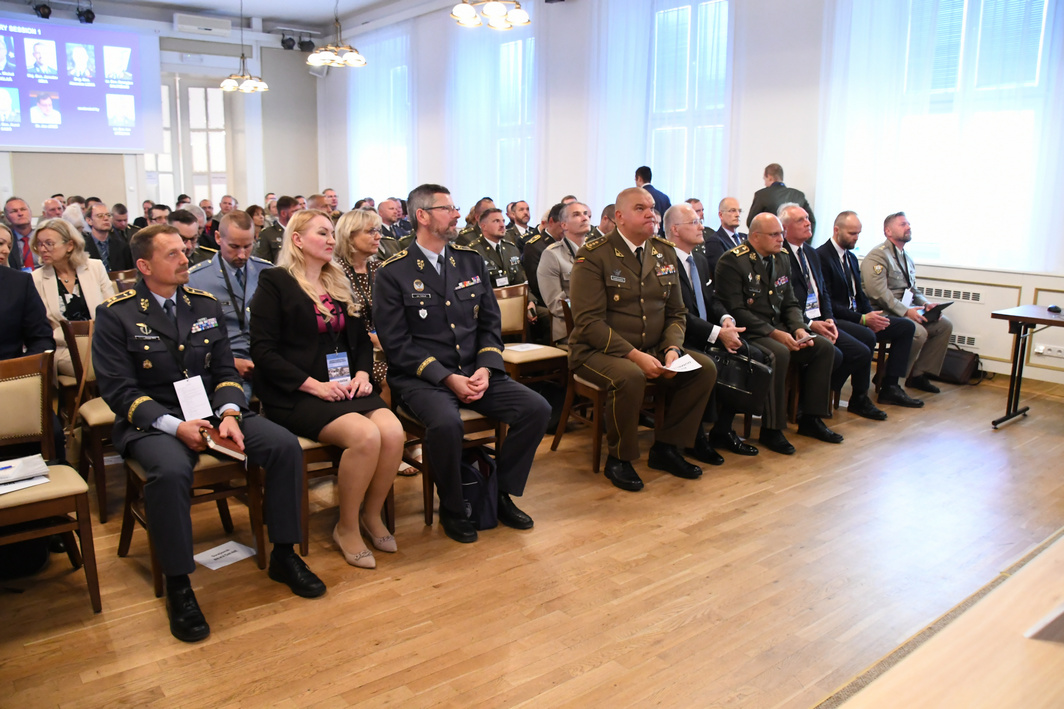
The University of Defence hosted the 5th edition of the international conference Challenges to National Defence in the Contemporary Geopolitical Situation (CNDCGS 2026) from 8 to 10 September 2026. The primary objective of the conference was to provide a platform for sharing the latest knowledge, experiences, and analyses related to national defence in the context of current geopolitical developments.
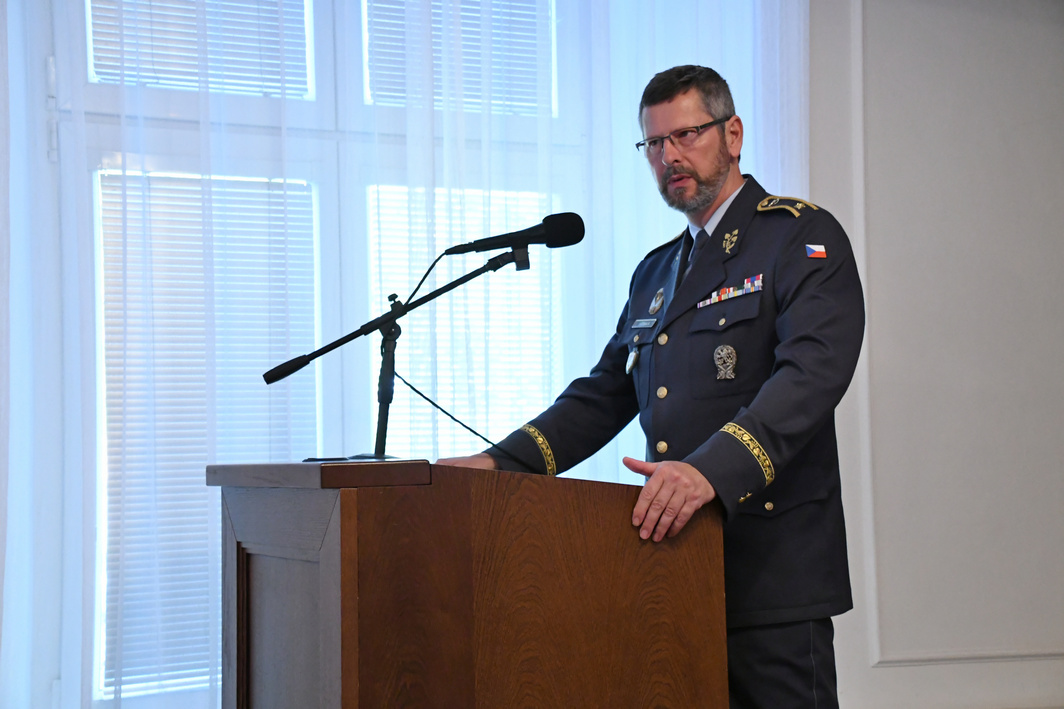
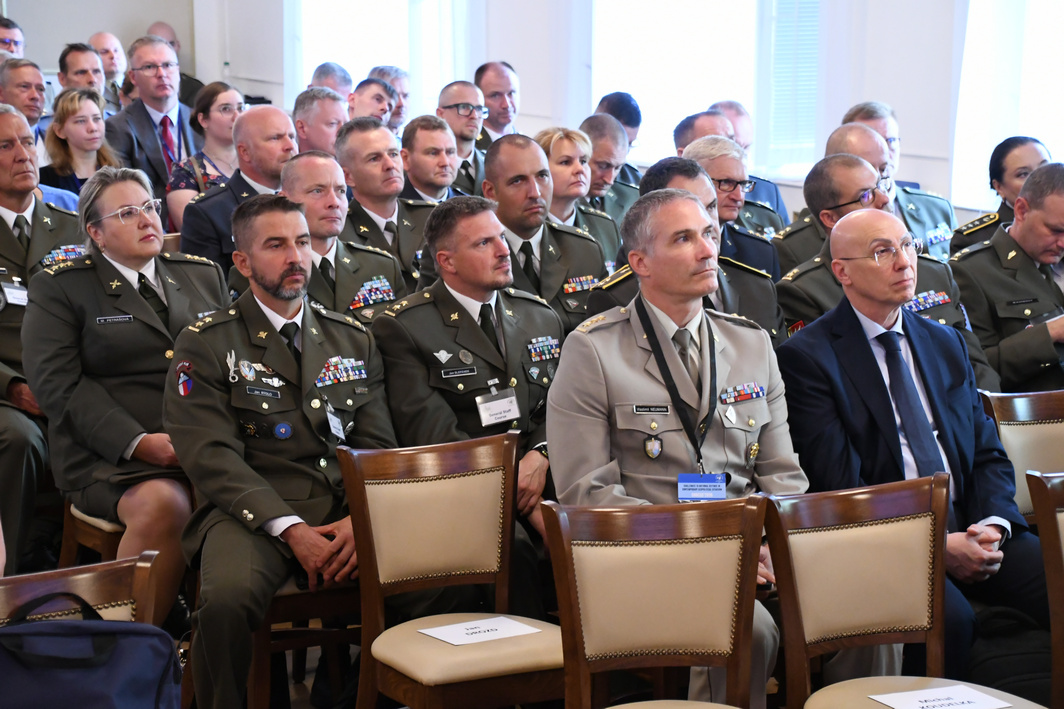
In his opening address, delivered via a recorded video message, President Petr Pavel emphasized that national defence is not solely the responsibility of a country’s armed forces, stating: “a democratic state requires a resilient and cohesive society, capable of withstanding disinformation and functioning effectively in times of crisis. Such resilience is built through education, responsible citizenship, and trust in democratic institutions.” He also highlighted this as one of the reasons why the conference is jointly organized by educational institutions, namely the University of Defence and the General Jonas Žemaitis Military Academy of Lithuania. The event brought together more than 200 participants, including representatives from the Czech Republic as well as delegates from twelve other nations.
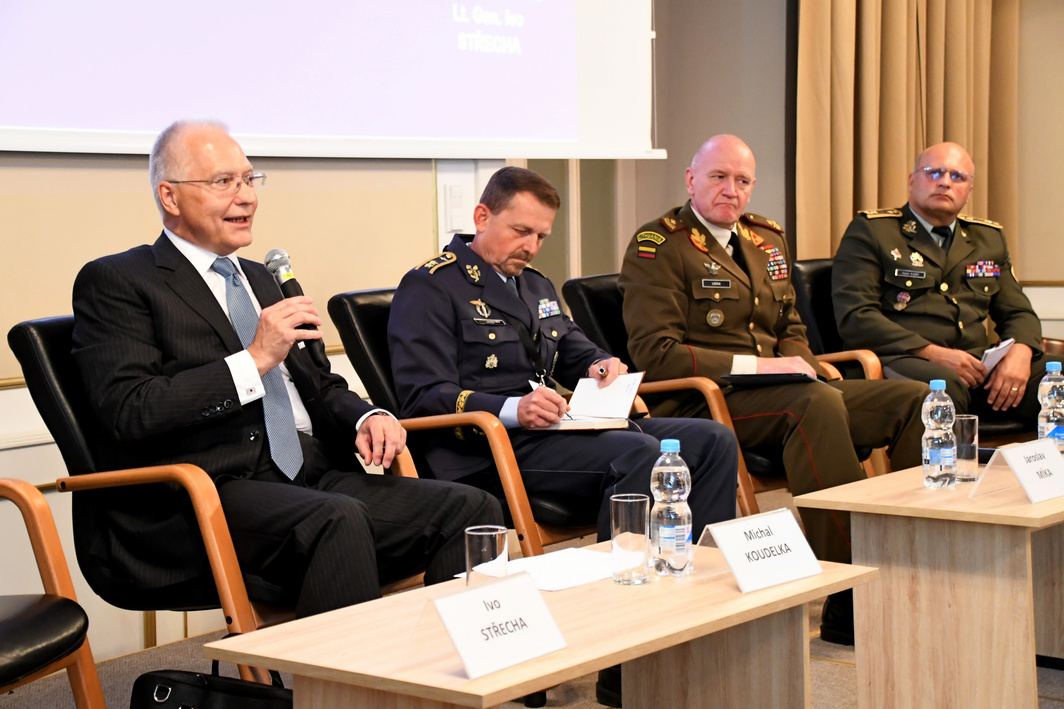
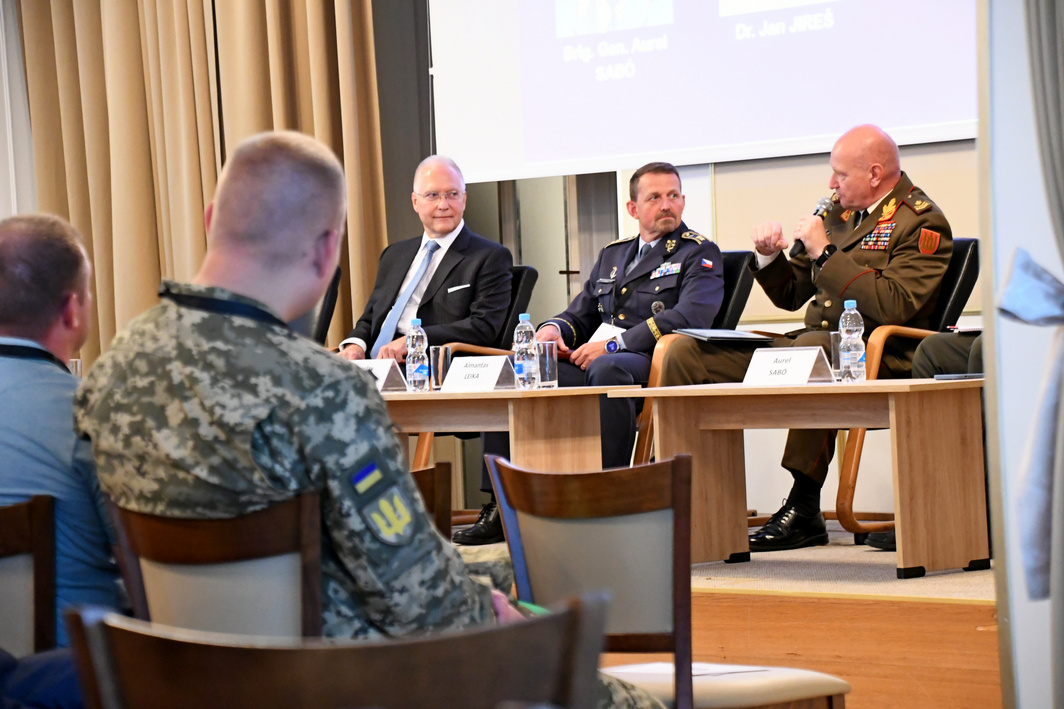
Expert discussions focused primarily on sustainable defence solutions, advanced defence technologies, environmental aspects of military activities, modern innovations, multi-criteria decision-making processes, and other topics reflecting current challenges to European and global security. Unlike previous years, the opening day programme featured panel discussions rather than keynote lectures. These discussions were divided into three thematic sections. The first panel, moderated by Lieutenant General Ivo Střecha, addressed military leadership in an era of strategic competition. Participants included Lieutenant General Michal Koudelka, Director of the Security Information Service (BIS), and Lieutenant General Almantas Leika of the Lithuanian Ministry of Foreign Affairs. Over the following two days, the conference programme featured presentations, thematic sessions, and a doctoral student competition.
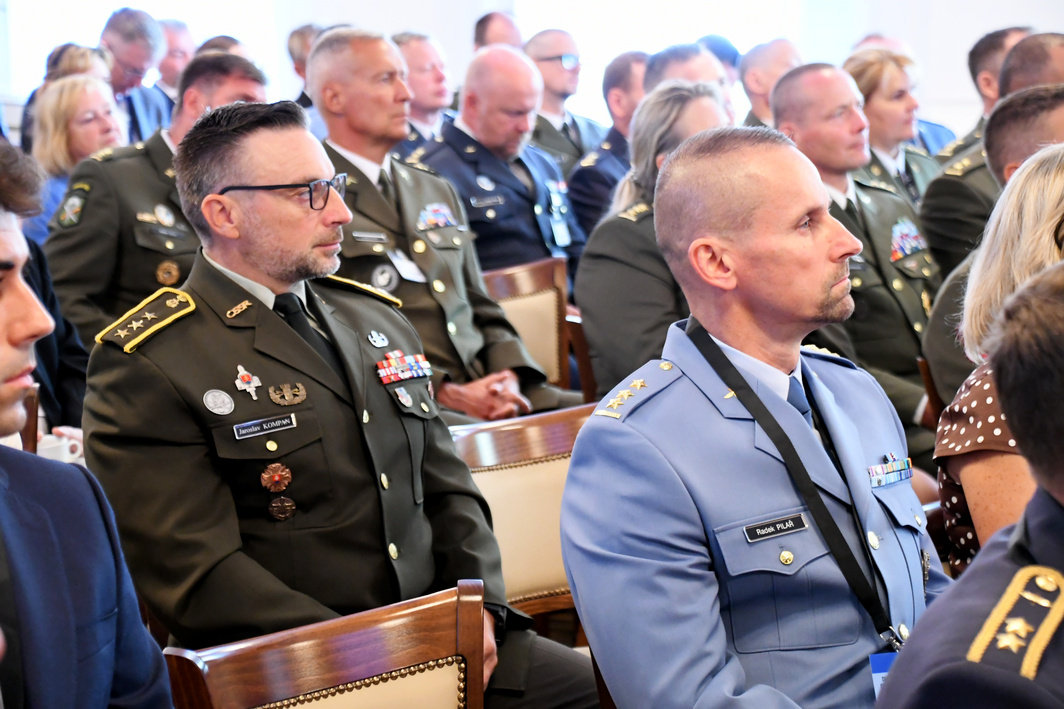
The student competition brought together doctoral and master’s students from both the Czech Republic and Slovakia. The expert jury assessed not only the academic contribution of the submitted papers, but also the quality of each participant’s presentation. The three winning contributions were presented by Michaela Rázusová of the Armed Forces Academy of General Milan Rastislav Štefánik, Kateřina Blažková of the University of Defence, and Zdeněk Vyležich of the University of Defence.
Author: Viktor Sliva