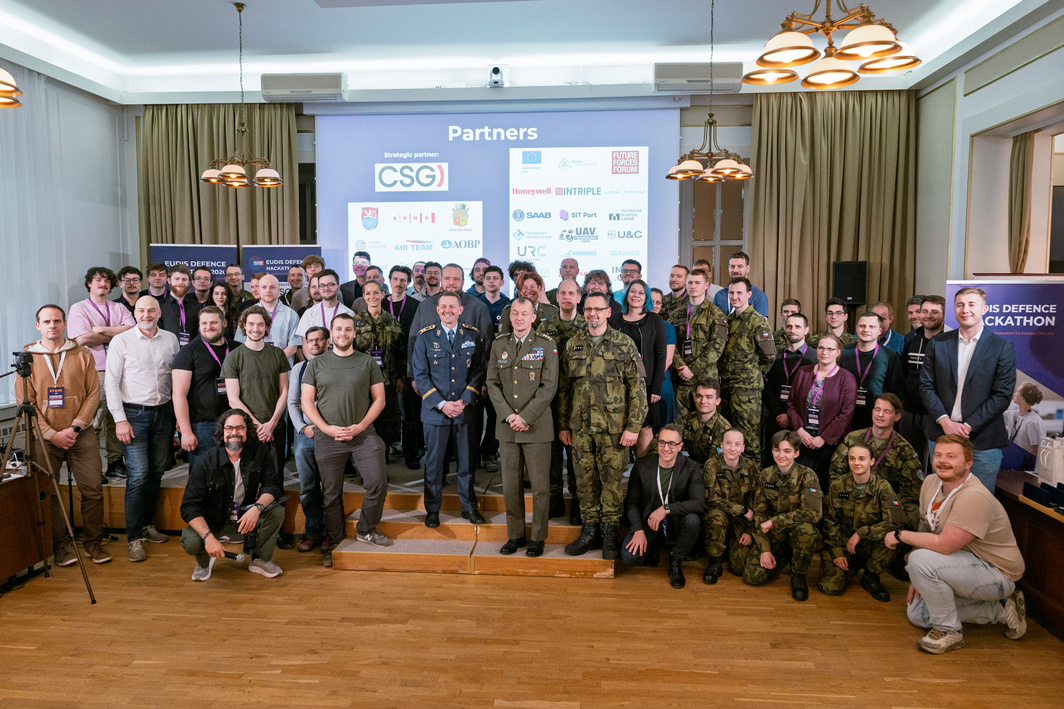
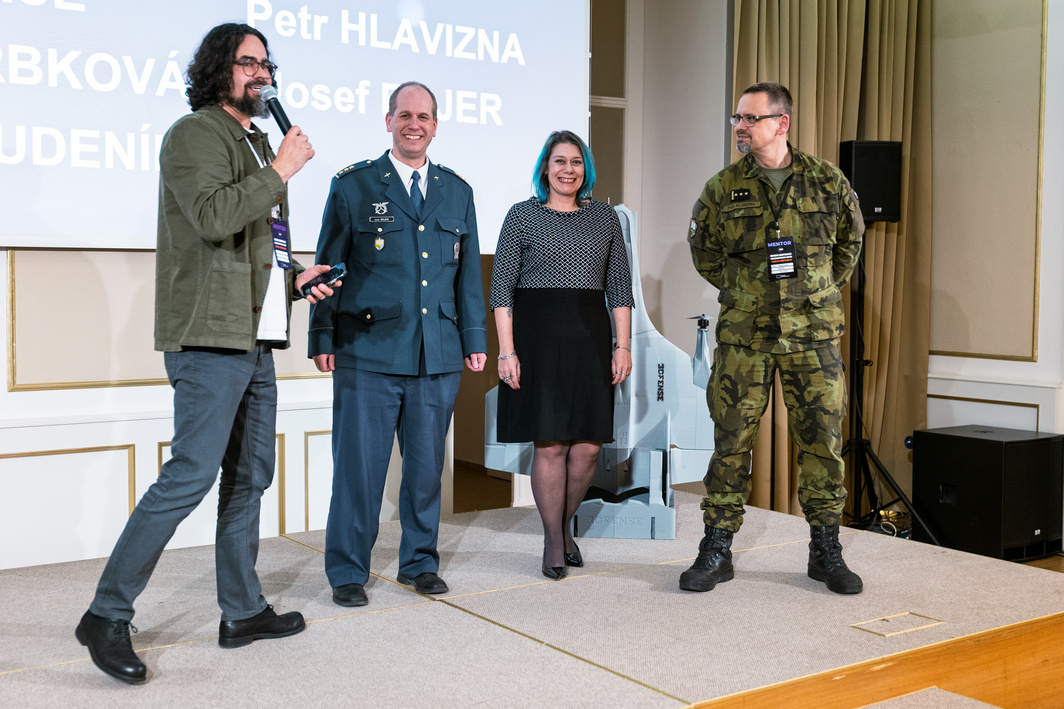
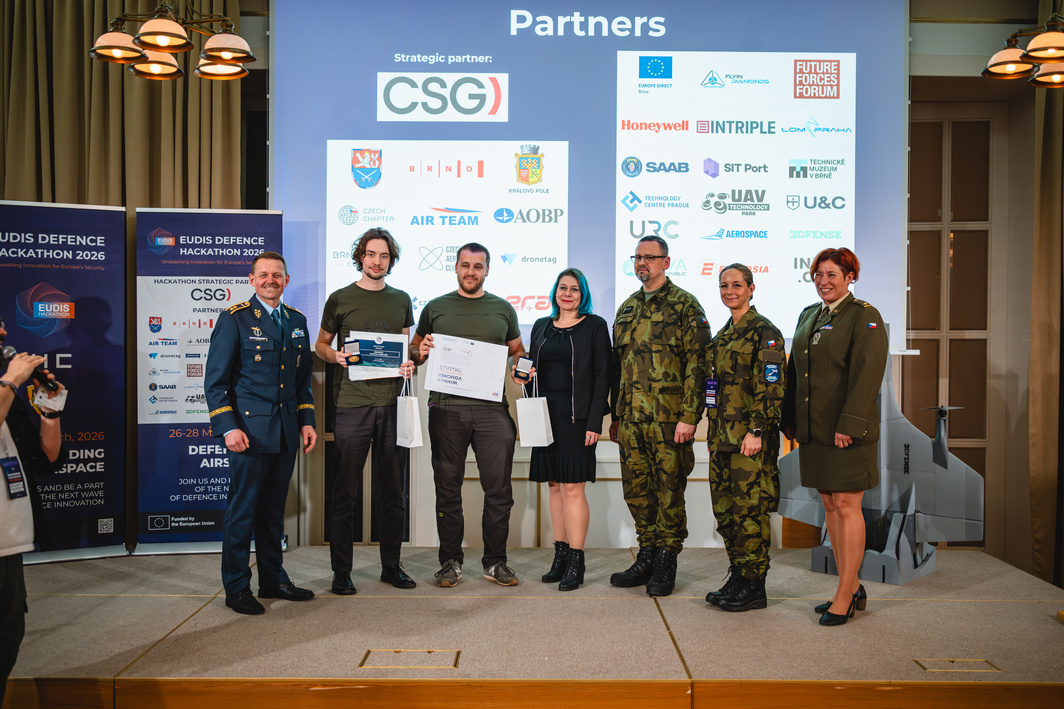
EUDIS Defence Hackathon Spring 2026, organized by the University of Defence together with the innovation agency JIC, culminated in a ceremonial announcement of the results on Saturday, 28 March. The most successful teams, which, along with the other participants, had spent nearly three days searching for innovative solutions to aerial threats, particularly those posed by drones, were presented with awards by Major General Jaroslav Míka of the Operations Command, together with Colonel General Staff Petr Hlavizna, Vice-Rector for External Relations and Internationalization at the University of Defence, and Eva Bače, representative of the innovation agency JIC. The ceremony was hosted by moderator and seasoned hackathon veteran Tomáš Studeník, who maintained the pace, energy and attention of both participants and the audience from start to finish.
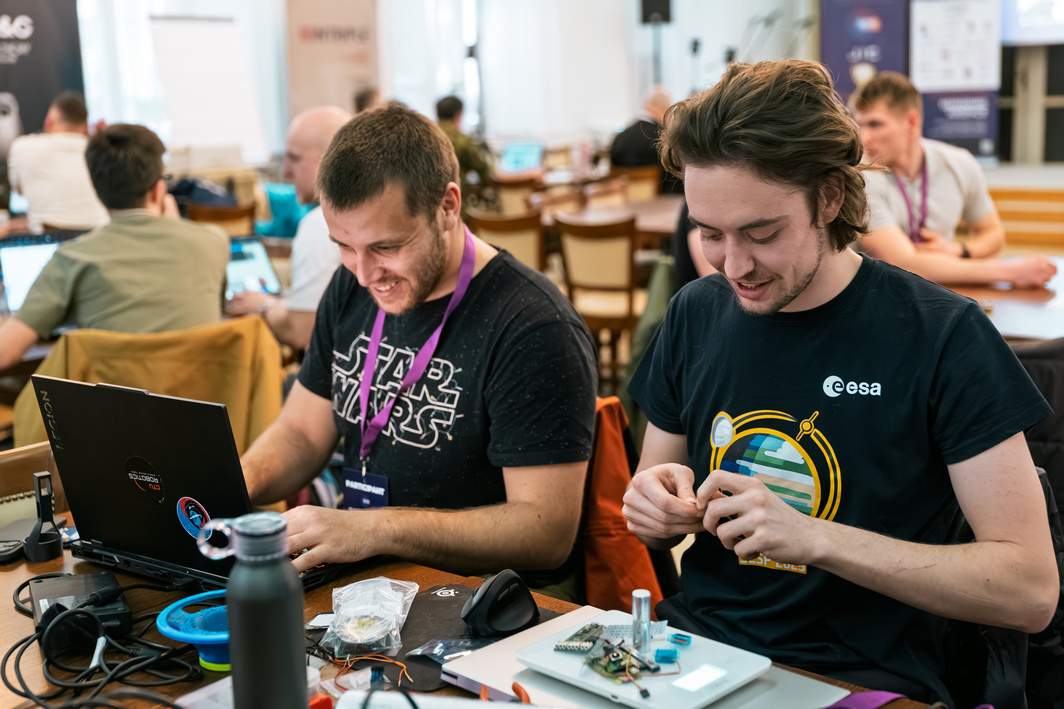
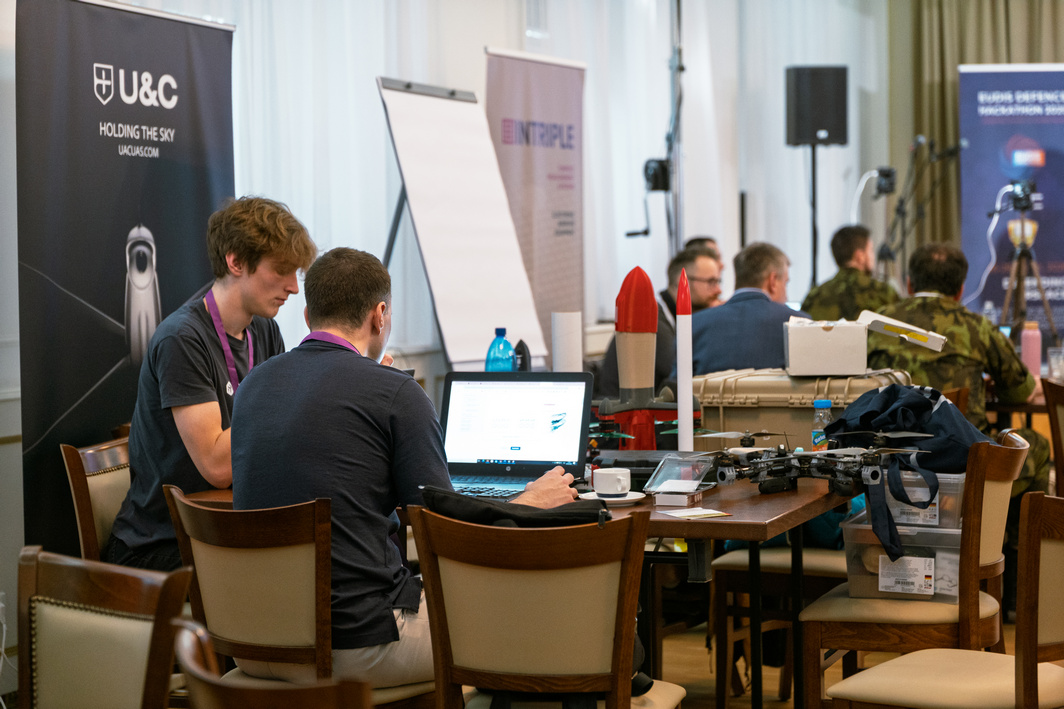
The winner of the hackathon was Team MALNUS, which introduced a project for an interceptor significantly cheaper than FPV drones, easy to assemble from parts produced by 3D printers, and moreover not dependent on radio communication. It is a solid-fuel rocket that can be used as a low-cost and scalable defence system for critical infrastructure.
The runner-up team focused during the hackathon on the structural design and aerodynamic optimization of the REAPER project. During the event, the team also built the first prototype, including the integration of the necessary electronics.
The bronze-winning project implements the idea of the transforming AMphibious Drone, an “amphibious” solution intended for missions where conventional UGVs and UAVs fail. By combining the strengths of both domains, the system is capable of operating in various environments and supporting a wide range of tasks. Fully 3D-printable and made from widely available electronic components, the AMphibious Drone stands out as a practical and accessible solution for modern operational needs.
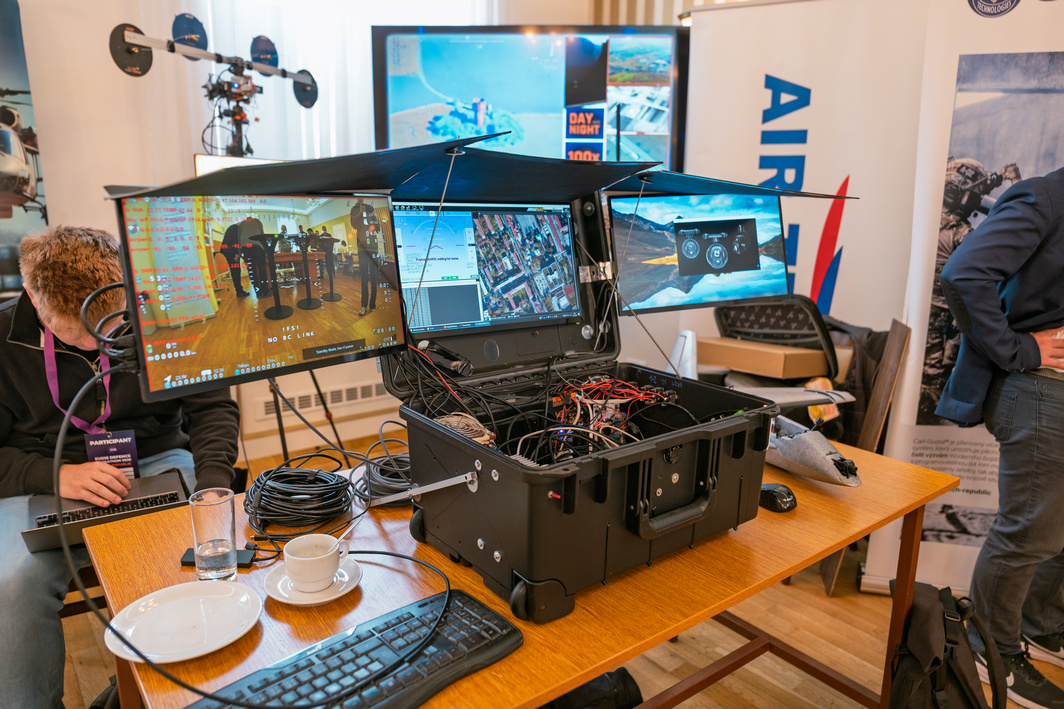
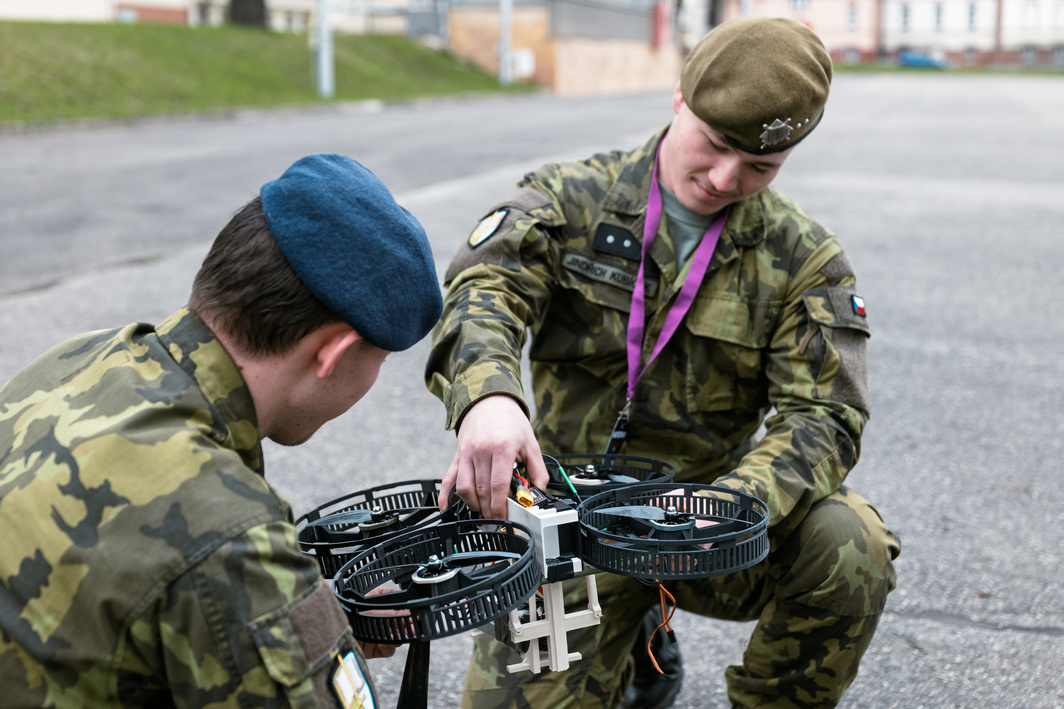
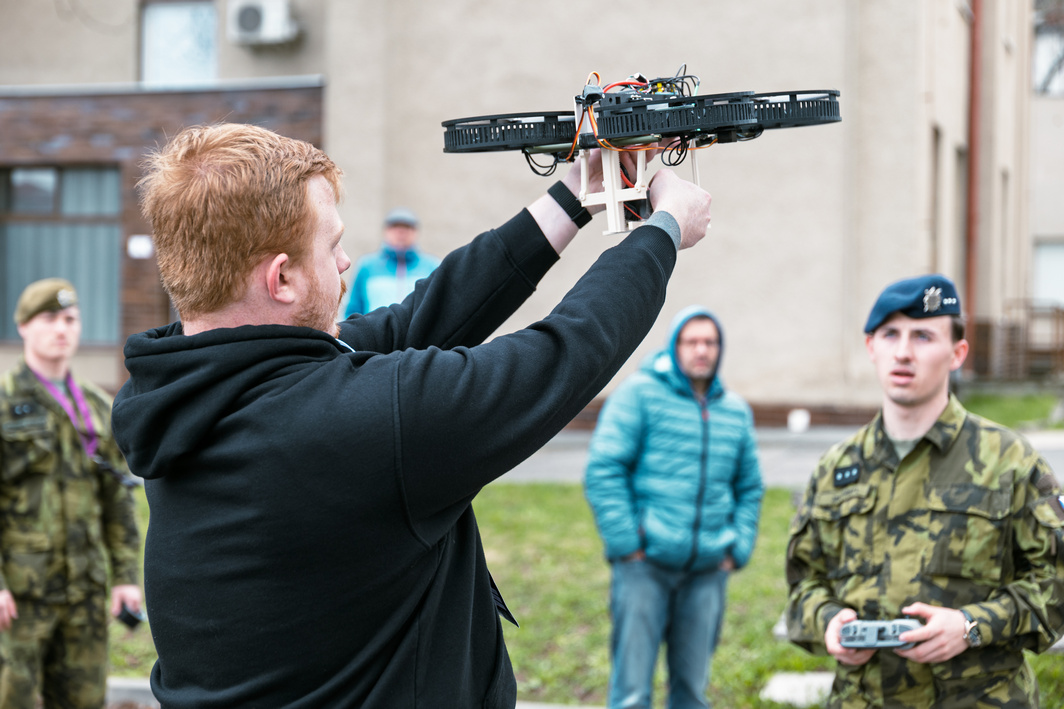
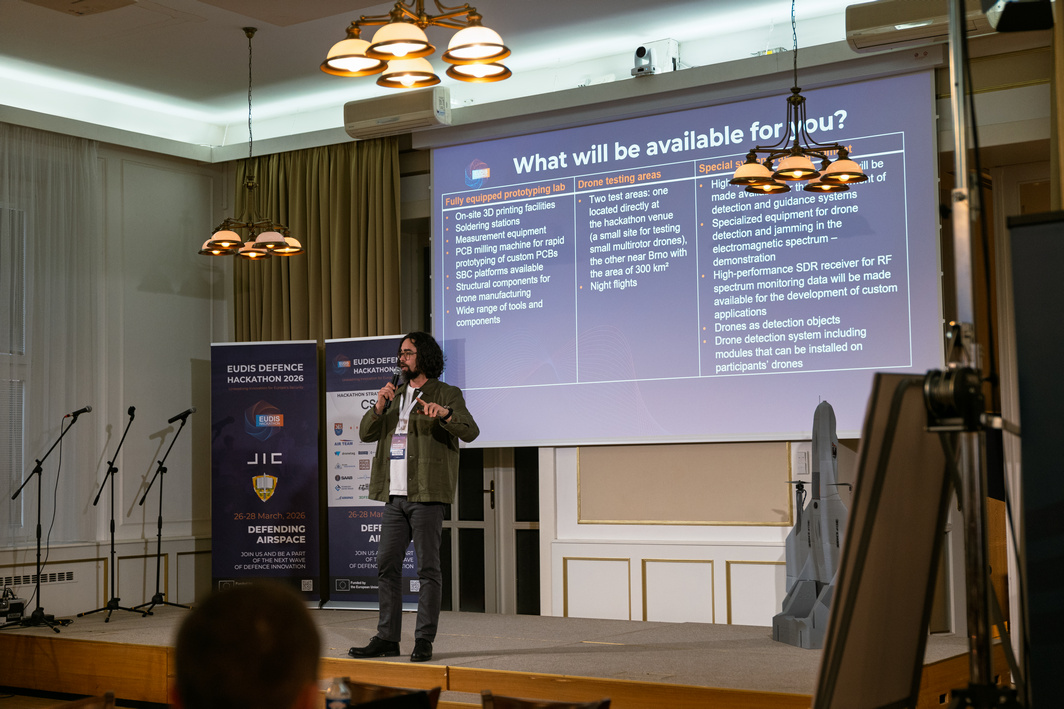
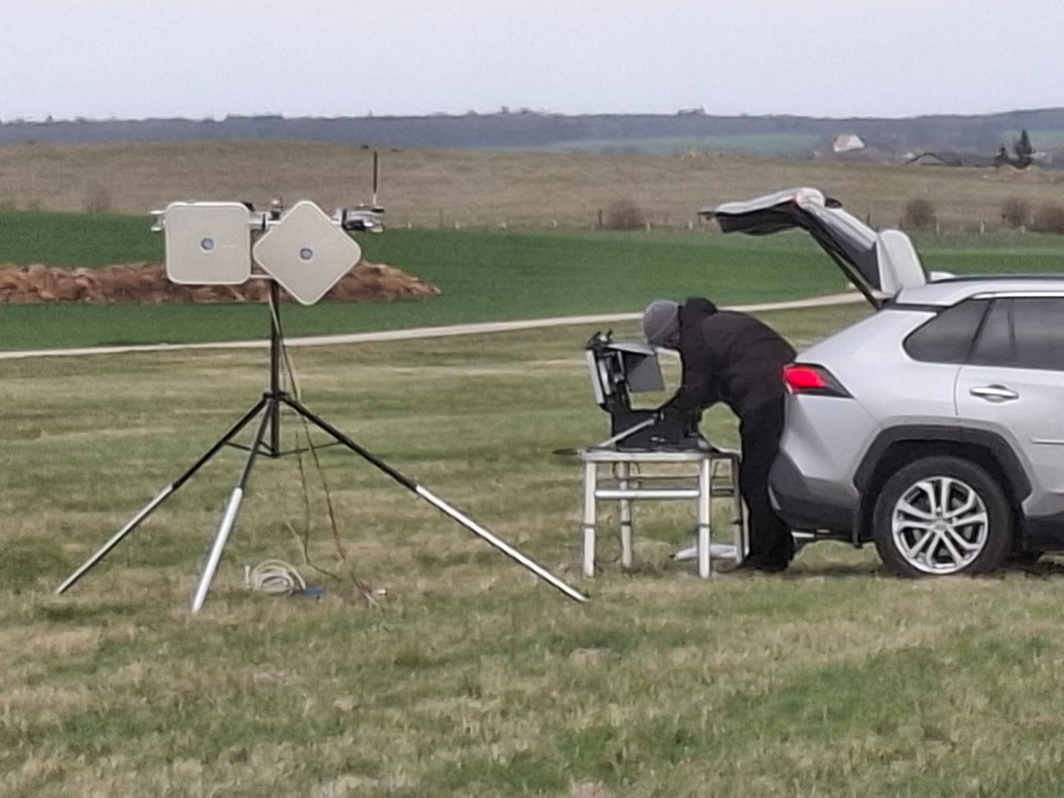
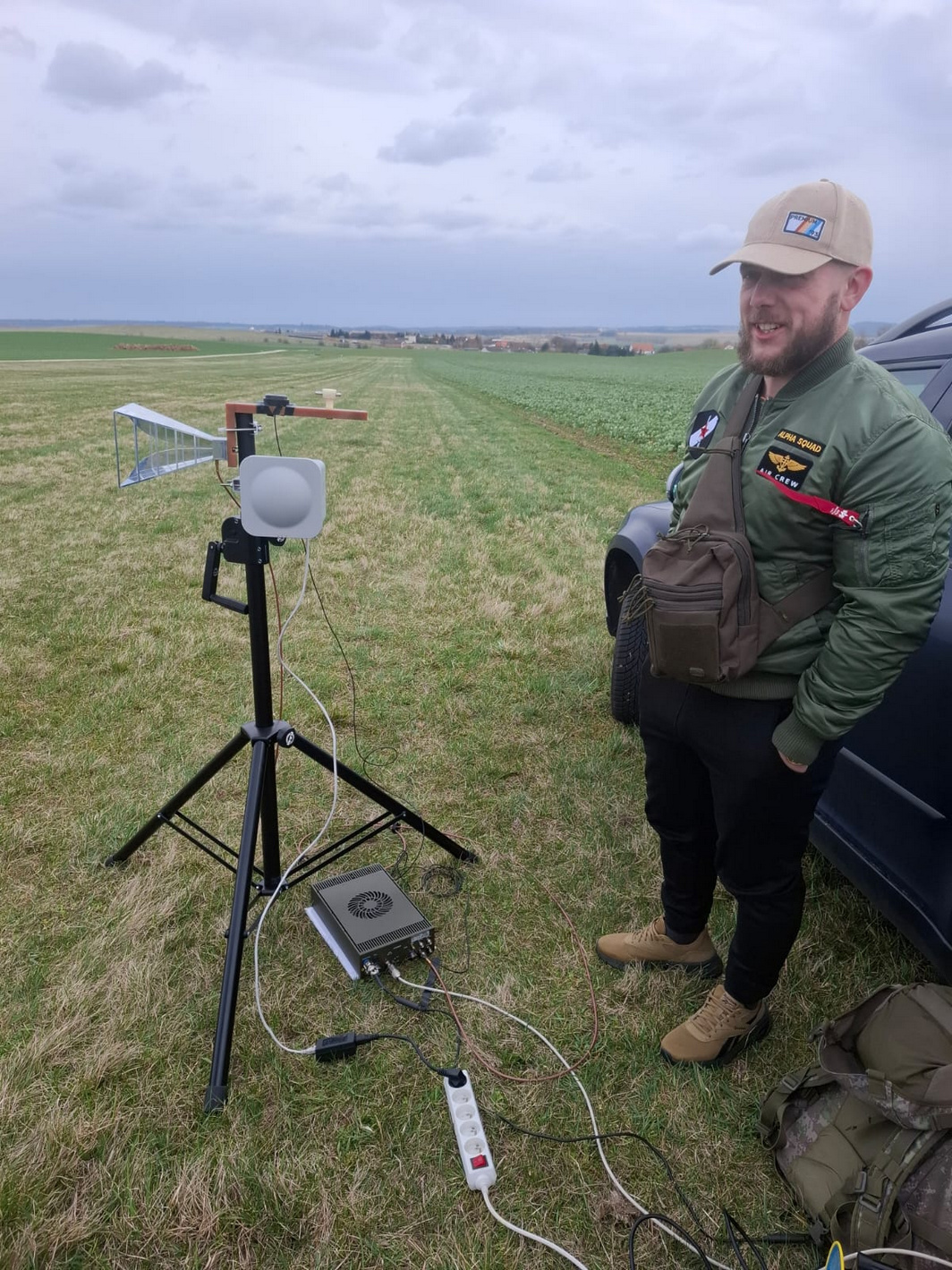
Throughout the hackathon, the organizers created favorable conditions for the contestants to develop innovative technical solutions. A fully equipped prototyping workshop was available, and around fifty mentors from various fields were present either on site or online, representing the defence industry, the Ministry of Defence of the Czech Republic, and the business sector. On Friday, the second day of the competition, participants were able to carry out flight experiments and collect data at the UAV Technology Park near Moravské Budějovice, where competition drones could fly within an area of approximately 300 square kilometers and make use of systems for testing the detection of aerial targets. All data were made available for further processing or for the validation of participants’ own data.
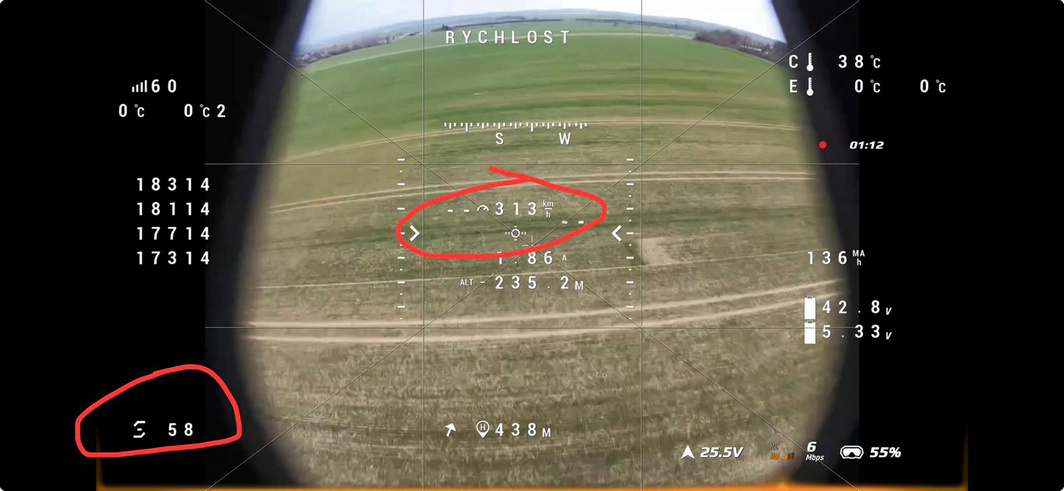
Colonel Josef Bajer, Head of the Department of Aerospace Engineering, who played a significant role in the successful course of the hackathon, considers one of the most interesting outcomes of the event to be the highest drone speed achieved by the aircraft built by the University of Defence FPV Squadron team. This is a long-term project of Warrant Officer Daniel Mahdal, a student at the university. During the hackathon, the drone was completed, its control elements were fine-tuned, and its first test flight was carried out. The tests exceeded expectations, reaching a speed of 313 km/h. “And that was at 50% throttle,” as Warrant Officer Mahdal remarked. The youngest participant in the hackathon was Michal Šabat, a third-year student at the Otrokovice Grammar School and a member of Team SKYREN, who served as the chief designer of a thrust-vectoring rocket intended to help a transported kamikaze drone achieve high speed.
In the end, 16 teams out of the original 21 registered advanced to Saturday’s final round and delivered their presentations. Eight teams addressed the first challenge, while five teams focused on the second and third challenges, with some solutions responding to two challenges simultaneously. More than EUR 11,000 in prize money was distributed among the best teams, and thanks to CSG and more than thirty other event partners, none of the participants left empty-handed.
Author: Viktor Sliva, foto: Petr Pechar